

What players say
Spot the Difference Puzzle does one thing and does it without unnecessary complication. The absence of a timer, the gradual difficulty curve, and the sheer volume of varied artwork make it a dependable choice for quiet, low-stakes play. It suits children, older adults, and anyone who wants a screen activity that rewards careful looking rather than reflexes. The trade-off is limited variety in mechanics: if you want story, competition, or action, this is not the game for you.
About this game
Comparing Images, Not Racing a Clock
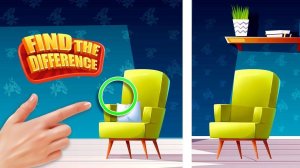
Each level in Spot the Difference Puzzle places two versions of the same illustration side by side. One has been altered in several places; the other has not. Your task is to find every variation between them. Because there is no timer, the game rewards careful looking rather than fast tapping. You can study a section for as long as you like, move on, and return later. That absence of pressure is central to how the game plays, and it shapes everything from the difficulty curve to the hint system.
How a Round Unfolds
Players tap or click on the right-hand image where they believe a difference exists. Correct finds are marked, and the level ends once all variations have been located. The interface gives clear visual feedback for each discovery, so you always know whether a tap registered. Hints are available when you get stuck, but they are optional; the intended challenge is to spot the differences independently. Levels grow gradually harder, either by adding more differences or by making existing ones more subtle. That progression keeps the game approachable for newcomers while still giving experienced players something to work toward.
Artwork and Difficulty Curve
The illustrations vary from level to level, which matters more than it might seem. A single repeated image style would make differences easier to predict; varied artwork forces you to re-examine your assumptions each time. Because the game contains thousands of levels, the difficulty curve is spread across a long stretch of play rather than concentrated in a short campaign. Players who prefer a slow, steady increase in challenge will find that structure suits them. Those who want immediate difficulty spikes may find the early levels gentle by design.
Who It Suits
The content is family-safe and suitable for all ages, from young children to older adults. The simple premise makes it accessible to players who do not usually play games, and the relaxed pace makes it a reasonable choice for quiet moments or shared screen time with family. It functions as a screen-based alternative to traditional puzzle books. The main limitation is inherent to the genre: players seeking action, story, or competition will not find those here. What the game offers instead is patient, repeatable observation practice.
Compatibility
FAQ
Player comments
Sign in to comment
You must be logged in before posting a review or rating.
No comments yet. Be the first to comment!




Editorial Notes