
What players say
Perpetual Leap Arcade Runner turns a single rule into a full game: keep moving or the misfired spell burns you. That constraint reshapes how you read platforms, pits, and blockers, since you cannot pause to plan. The bright visuals and streamlined controls lower the barrier for casual players and children, while gradual difficulty increases keep the challenge meaningful. Short levels and penalty-free failure encourage repeated attempts. The main limitation is that the concept rests entirely on one mechanic, so players who want combat or complex systems may find it narrow.
About this game
The Spell That Demands Motion
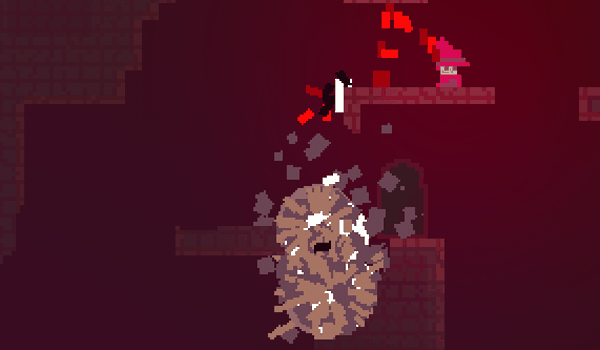
Perpetual Leap Arcade Runner builds its entire challenge around a single mistake. A tired adventurer fumbles a spell, and the resulting magic refuses to stay still. The moment the character stops moving, the spell erupts in fire and the run ends. That rule turns every stage into a test of momentum. You cannot pause to study a layout or wait for a moving hazard to cycle. Instead, you read the path ahead while already in motion, planning your next jump or sidestep before you need it. The mechanic is easy to understand but changes how you approach every screen: route planning happens on the move, not before it.
Reading the Stage at Speed
Each stage lines up platforms, walls, pits, and moving hazards that demand quick directional changes. Enemies appear as blockers rather than threats, so combat is not the answer. They force rerouting, which means you are constantly adjusting your path instead of clearing a lane. That design keeps the focus on spatial awareness and timing. A jump that works on one attempt may fail on the next if you approach it from a different angle or at a different speed. The environments grow more complex as you progress, introducing new obstacle arrangements that ask for faster decisions and more precise movement.
Built for Quick Sessions and All Ages
Bright, cheerful graphics and a clean visual style keep the screen readable even when hazards crowd the path. Colors are vibrant without being distracting. Controls are streamlined to keyboard arrow keys or touch inputs, and there are no complex menus or tutorials to work through. The core rule is immediate: keep moving. That low barrier to entry makes it suitable for casual players and children, while the level design still provides depth for anyone chasing a clean run.
Progression Through Repetition
Short levels keep sessions manageable, whether you have a few minutes or an extended play window. Difficulty ramps up gradually, so new players learn the basics before facing tighter layouts. Failure carries no penalty, which encourages experimentation. Each attempt teaches something about timing or route planning, and the real sense of accomplishment comes from mastering a level's flow and reaching the exit without interruption.
Compatibility
FAQ
Player comments
Sign in to comment
You must be logged in before posting a review or rating.
No comments yet. Be the first to comment!









Editorial Notes