
What players say
Fantasy Beast Designer: Tap Arcade offers a straightforward creative outlet: assemble creatures from varied parts, then watch them react in a playful arena. The bright, cartoonish visuals and cheerful audio suit young children and anyone wanting a low-stakes design activity. The lack of scoring or time limits reinforces relaxation, though players seeking challenge or progression goals may find it too simple. Periodic updates could add variety over time.
About this game
Building Creatures with Simple Gestures
Fantasy Beast Designer: Tap Arcade places players inside a workshop stocked with creature components. Heads, torsos, limbs, and decorative items are attached using straightforward taps and drags. There are no wrong answers—every pairing produces a unique being, and the game never penalizes odd or unconventional combinations. This low-stakes design loop supports endless variation without requiring prior design experience.
Interacting in the Arena
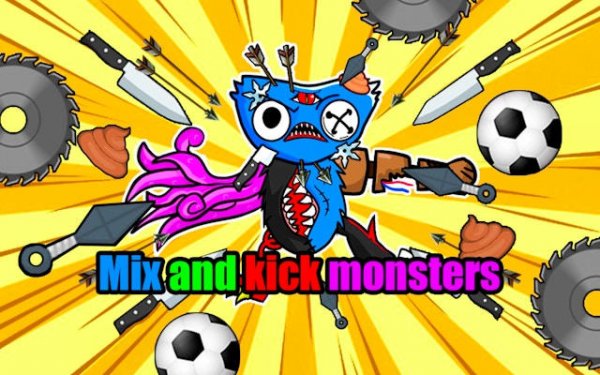
Once a creature is assembled, players move to an open area containing whimsical gadgets. Tapping these gadgets triggers reactions from the creature, such as animations or sound effects. The arena functions as a casual observation space where different designs behave in distinct ways. Players can return to the studio at any time to tweak their creature or start over from scratch.
Visual and Audio Tone
The game uses a bright, cartoonish aesthetic with soft colors and rounded shapes. Creature parts range from cute to comical, and the overall presentation avoids intense or frightening imagery. Cheerful, unobtrusive background music and sound effects reinforce a calm mood. This combination makes the game approachable for young children and anyone seeking a low-pressure creative outlet.
Progression and Ongoing Updates
The core loop is self-contained: build, interact, adjust. The game may receive periodic additions of new creature parts or interaction tools, extending the variety of possible designs without changing the fundamental mechanics. There is no competitive scoring or time pressure. Players progress at their own pace, with personal expression as the central focus rather than achieving specific goals.
Compatibility
FAQ
Player comments
Sign in to comment
You must be logged in before posting a review or rating.
No comments yet. Be the first to comment!










Editorial Notes