
What players say
Orbit Dash keeps its scope tight: one input, one circular track, and a steady difficulty climb. The gem-and-shop system gives runs a secondary goal beyond survival, which helps offset the repetition of restarting after each mistake. It is best suited to players who enjoy short, score-driven sessions and are willing to practice precise timing. Those looking for narrative depth, multiplayer, or varied level design will find the experience limited.
About this game
Core Orbiting Mechanic
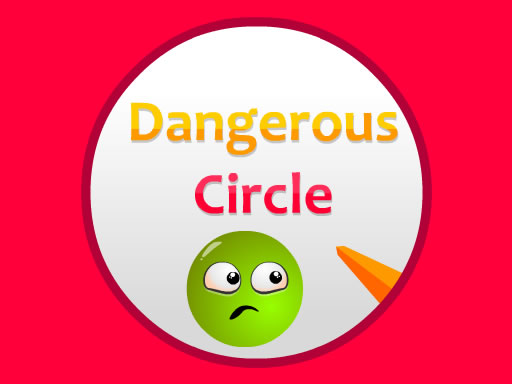
In Orbit Dash, your character moves continuously around a circular path. A single tap or click flips the character between the inside and outside edges of that circle. Obstacles appear on either edge, so the decision is simple but immediate: move to the opposite side before contact. Each full rotation adds one point to your score, and the run ends the moment you touch an obstacle. The challenge comes from reading the obstacle pattern and reacting in time, not from complex controls.
Gem Collection and Character Unlocks
Gems appear along the orbit. Collecting them feeds into an in-game shop where you can unlock additional characters. These unlocks change the avatar you play with, adding a collection goal beyond simply surviving longer. Because gems are tied to the same orbit you are already navigating, grabbing them often means taking a slightly riskier line or adjusting your timing. That trade-off between scoring safely and chasing gems is a small but real decision each run.
Difficulty Curve and Session Length
Orbit Dash starts manageable and gradually increases the pressure. Obstacles appear more frequently or in tighter arrangements, shrinking the window for safe side-switching. The one-tap input stays the same, so improvement comes from sharper anticipation and calmer reactions rather than new moves. Sessions are short by design: a single mistake ends the run, which makes restarting quick and keeps the focus on beating your previous score.
Who This Suits
The straightforward control scheme makes Orbit Dash accessible to casual players and younger audiences. At the same time, the precise timing required to survive longer runs gives experienced players something to master. If you enjoy games where a single input hides a deep timing challenge, this fits that mold. If you prefer story, exploration, or multiplayer competition, the scope here is narrower.
Compatibility
FAQ
Player comments
Sign in to comment
You must be logged in before posting a review or rating.
No comments yet. Be the first to comment!







Editorial Notes