
What players say
Friendly Memory Puzzle sticks to a proven format: flip tiles, find pairs, and try to beat your own move count. Its strengths are accessibility and clarity — it runs in any modern browser, works with click or tap, and stays family-safe. The four distinct board arrangements add enough variety to justify replaying. The main limitation is depth; players seeking complex mechanics or story will find it minimal. It suits children and casual adults looking for a short, focused memory exercise.
About this game
Pairing Tiles and Tracking Moves
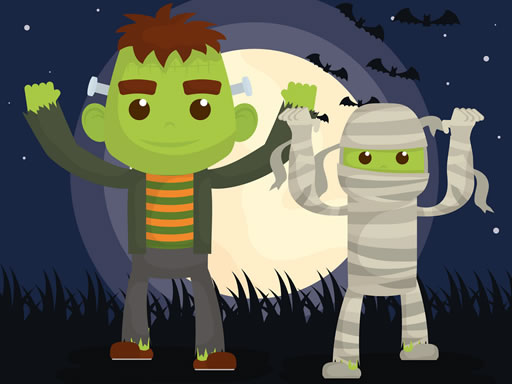
Friendly Memory Puzzle is a browser-based matching game built around a single, clear loop: flip a tile, look at the character shown, then flip a second tile to look for its partner. A correct pair stays face-up. A wrong pair flips back after a brief pause, and the move counter rises. That counter is the game's main feedback tool — it does not punish mistakes, but it gives you a concrete number to beat on your next attempt.
Four Boards, One Memory Test
The game includes four levels, and each one uses a different board arrangement. Because the layouts change, you cannot rely on muscle memory from the previous level. You have to rebuild your mental map of where each character sits. This progression from one arrangement to the next is what keeps the matching loop from feeling static, even though the core rule never changes.
Controls and Device Support
There is nothing to install and no account to create. Click with a mouse on a computer, or tap with a finger on a tablet or smartphone. The same tile-flipping interaction works across all three, so a short session on a phone and a longer session on a desktop use identical controls. The game is free to play online and designed to be family-safe, with no violent content.
Who It Suits and How to Improve
The premise is simple enough for children, but the move counter gives adults a reason to keep replaying. To lower your move count, name each character silently as you reveal it and note its position before flipping the next tile. Working through the board in a set pattern — left to right, top to bottom — can make locations easier to recall than flipping at random.
Compatibility
FAQ
Player comments
Sign in to comment
You must be logged in before posting a review or rating.
No comments yet. Be the first to comment!








Editorial Notes