
What players say
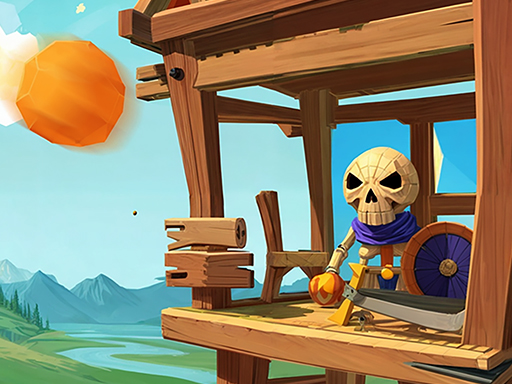
Medieval Siege Engine Tactics stands out for its methodical approach to the arcade genre. The core mechanic of adjusting angle and power is simple to learn but offers depth through the variety of fortifications and ammunition types. Each level feels like a puzzle that requires observation and strategy rather than speed. The visual style is clean and charming, and the sound design complements the medieval theme without becoming repetitive. This game is a solid choice for anyone who enjoys precision-based challenges with a historical twist.
About this game
Setting Up Your Siege Engine
Players take control of a large wooden frame mounted on wheels. The goal is to adjust the angle of the throwing arm and the tension of the ropes to launch projectiles at distant stone walls. A simple interface shows a power slider and an angle meter. Dragging these controls changes the trajectory of the next shot. A small preview line appears on the ground to indicate where the projectile will land. This system rewards careful adjustments rather than quick reactions.
Reading the Fortifications
Each castle structure has visible stress points. Cracks in the mortar, wooden support beams, and uneven stonework indicate where a well-placed projectile can cause the most damage. The game encourages players to pause and study the layout before making any attempt. Some walls have multiple layers, while others feature overhanging towers that require a higher arc. Understanding these details is essential for conserving limited ammunition.
Choosing the Right Ammunition
Different materials call for different ammunition types. Heavy stone balls work well against solid stone walls but pass through wooden structures with less effect. Fire pots create a spread of flames that can weaken wooden supports over time. The game provides a selection of ammunition at the start of each level. Players must decide which type to use for each shot based on the target material and the distance involved.
Progression Through Increasing Difficulty
Early levels introduce basic walls with clear weak points. Later stages present complex fortifications with multiple defensive layers, moving targets, and environmental hazards like wind that affect projectile flight. The difficulty curve feels natural, giving players time to learn the mechanics before introducing new challenges. Each completed level unlocks the next, with no branching paths or side objectives to distract from the core goal.
Visual and Audio Atmosphere
The game uses a warm color palette with stone textures and wooden siege equipment rendered in a clean, cartoonish style. Sound effects include the creak of the siege engine, the whistle of a projectile through the air, and the satisfying crash of stone on stone. Background music features medieval-inspired melodies played on string instruments, creating a calm but focused mood that matches the methodical pace of the gameplay.







Player comments
Sign in to comment
You must be logged in before posting a review or rating.
No account? Create one
No comments yet. Be the first to comment!