
What players say
Trash Panda Store Sweeper offers a focused loop of spotting mess, collecting it, and disposing of it for cash. The upgrade system—faster cart, larger bin, better handling—directly rewards efficient route planning. Its cartoon look and simple controls suit short sessions, and the absence of multiplayer keeps it a personal challenge. The main limitation is that the input does not detail level variety or platform availability, so players seeking extensive content should verify those specifics.
About this game
Cleaning Cart Basics
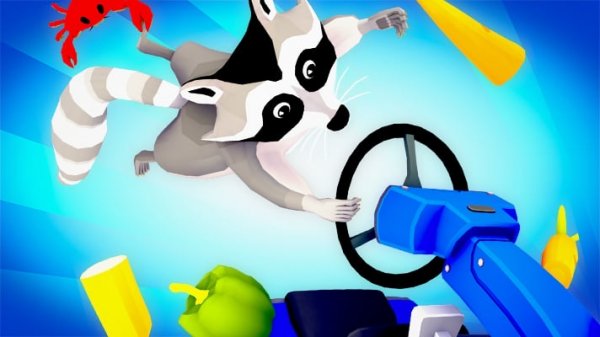
Trash Panda Store Sweeper puts players in the role of a raccoon pushing a cleaning cart through a supermarket. Customers constantly leave behind wrappers, spilled items, and misplaced goods. The store has multiple aisles and sections, each accumulating mess. The core loop is observation, collection, and disposal: spot debris, steer the cart to gather it, then empty the bin. The layout matters because you must decide which aisle to tackle first and how to link pickups without backtracking. The interface stays minimal, showing earnings and the upgrade menu, so attention remains on the floor.
Earning and Upgrading
Each cleaning round pays in-game currency. The faster you clear an area, the higher the payout. That money buys upgrades that directly affect efficiency. Options include a faster cart, a larger trash bin, and improved handling. A larger bin means fewer trips to dispose of waste; better handling makes tight turns easier. These improvements let you cover more ground in less time, which raises future earnings. The system rewards players who plan a route and prioritize the messiest zones first, because clearing a dense area quickly yields a bigger reward than nibbling at scattered trash.
Visual Style and Controls
The game uses a cheerful, cartoon-like aesthetic. The raccoon moves with a playful animation, and the supermarket uses bright colors and clear visual cues. Trash piles stand out, so you can track progress without squinting. Controls are simple enough for new players to learn quickly, yet the game offers enough depth to keep experienced players engaged. There is no competitive or multiplayer element; it is a purely personal challenge designed for short play sessions, so you can pick it up and put it down easily.
Progression and Challenge
As you upgrade equipment, the store may generate messes at a faster rate or introduce new types of clutter. This gradual increase in difficulty keeps the game interesting without becoming frustrating. Players who enjoy optimizing their workflow will find satisfaction in shaving seconds off their cleaning time. The challenge comes from balancing speed, bin capacity, and route planning. Because the game is built for brief sessions, each round is a self-contained attempt to beat your own best time and earn enough to afford the next upgrade.
Compatibility
FAQ
Player comments
Sign in to comment
You must be logged in before posting a review or rating.
No comments yet. Be the first to comment!




Editorial Notes